Thu, Jan 28: Depart for Quito, Ecuador, arriving the same day. Perched high in the Andean foothills surrounded by volcanic peaks, Quito was the first city declared a UNESCO World Heritage site—known for its ancient Incan history and incredibly preserved colonial center, rich with 16th– and 17th-century architecture. Check into your hotel for a two-night stay.
Fri, Jan 29: Explore Ecuador’s capital, Quito with a local guide, see Independence Square, the Bishops Palace and visit the church of La Compania and more. Later, enjoy a Welcome Dinner with your fellow travelers. (Meals: Breakfast, Dinner)
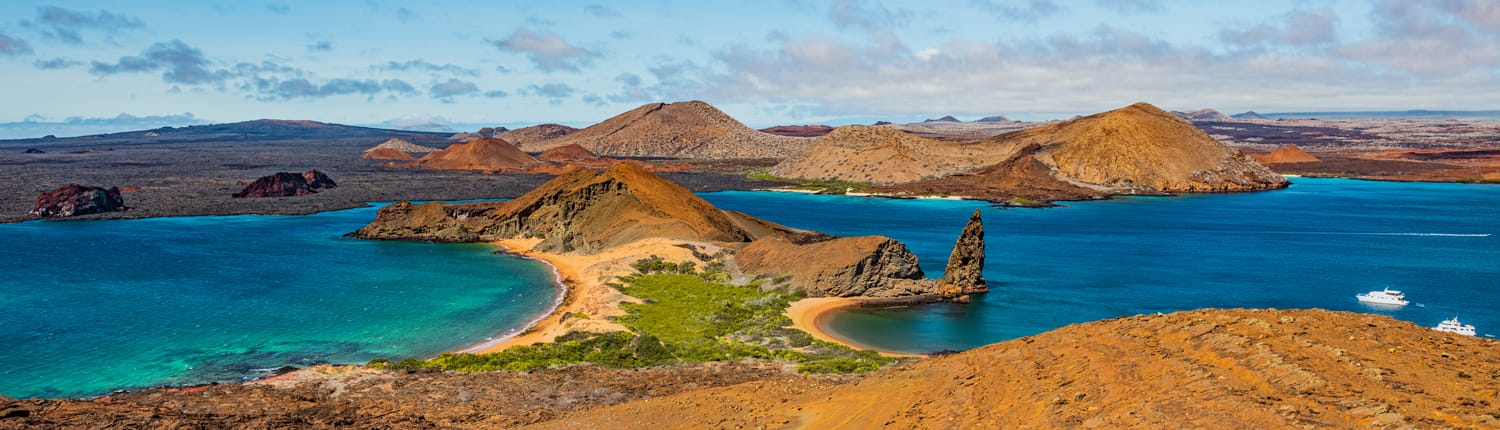
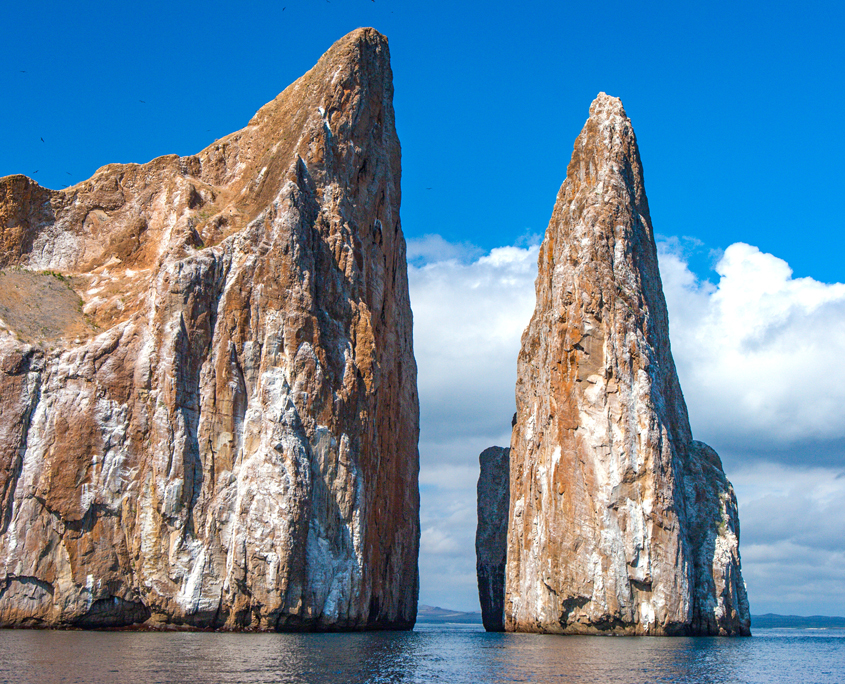
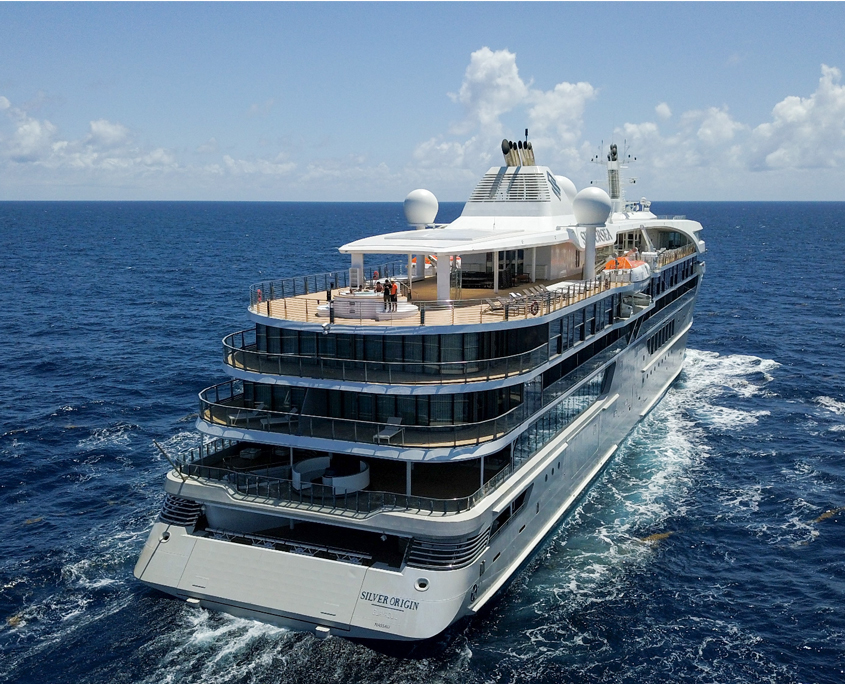
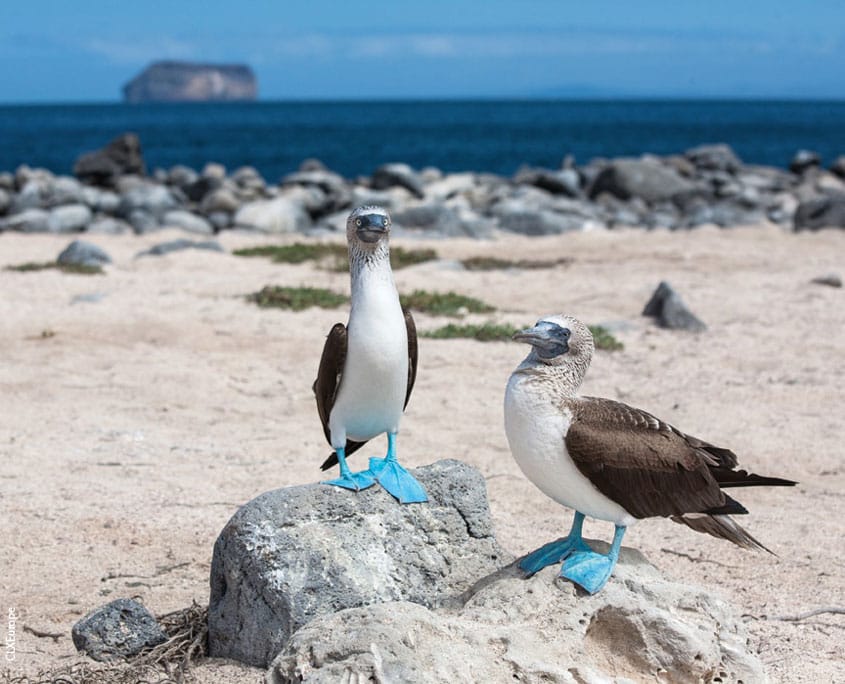
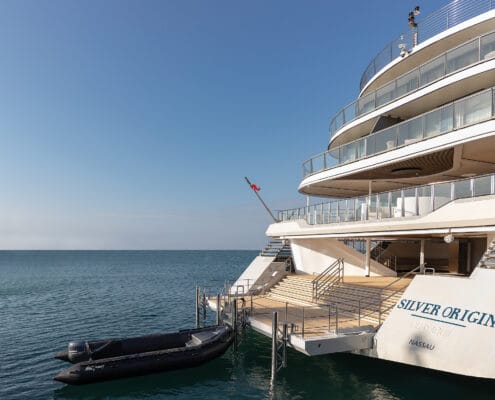
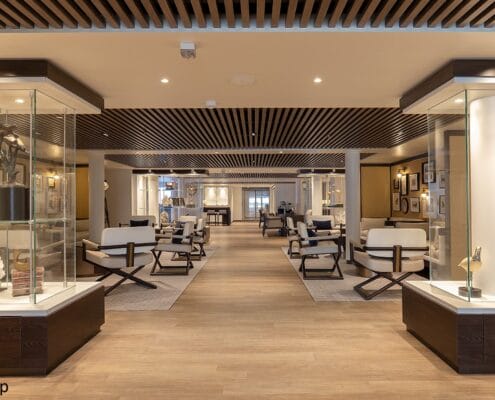
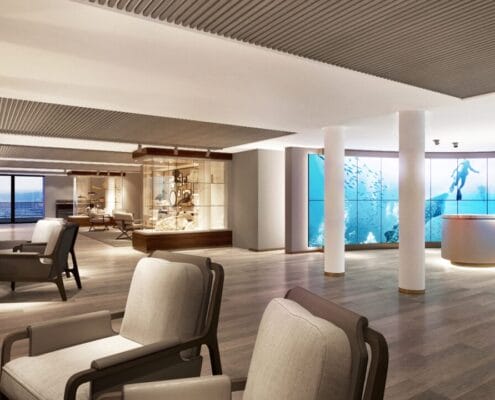
Sat, Jan 30: Board a chartered flight for San Cristóbal and embark on Silversea’s elegant Silver Origin. San Cristóbal, one of the oldest islands in the Galápagos, was formed by dormant volcanoes and lies on the eastern edge of the archipelago. The island is historically significant, with a statue of Charles Darwin overlooking the harbor, marking one of his early landing sites in the 1830s. Just offshore lies Kicker Rock, a dramatic volcanic formation known for abundant birdlife, sea lions, and rich marine life, making it a highlight for wildlife viewing and snorkeling. When approaching Kicker Rock, keep your eyes peeled for Blue-footed Boobies, Nazca Boobies, and frigatebirds. (B,L,D)
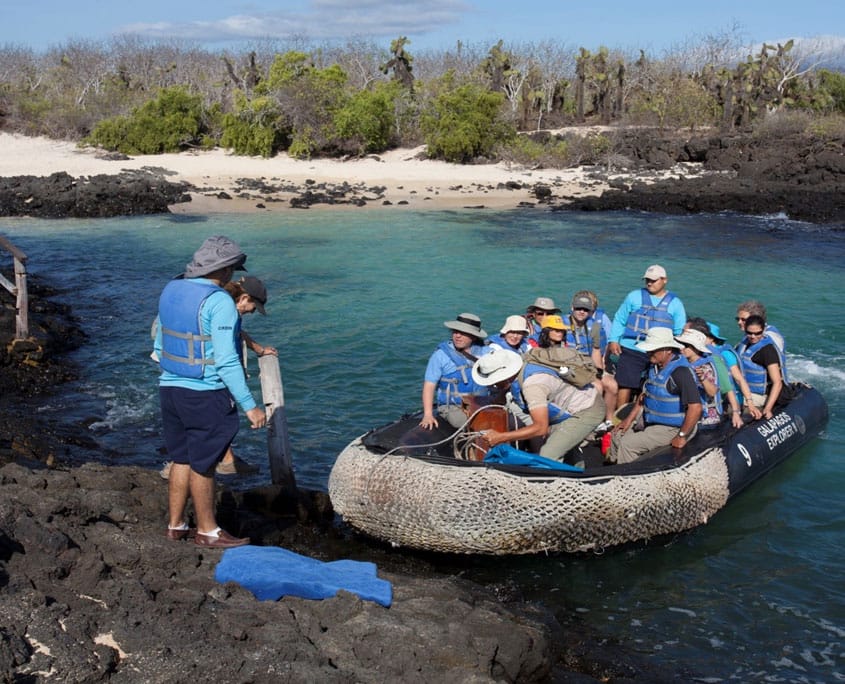
Sun, Jan 31: One of the northernmost islands in the Galápagos, Genovesa Island is often called “Bird Island” for its extraordinary abundance of land and seabirds, centered around Darwin Bay, a flooded volcanic crater. Visitors explore Prince Philip’s Steps and the plateau above, home to nesting boobies, frigatebirds, red-billed tropicbirds, and the elusive short-eared owl, as well as palo santo forests and lava fields. Along the shore and in the bay, sea lions rest on white sand beaches, marine iguanas roam, and snorkeling reveals colorful reef fish and sea stars. (B,L,D)
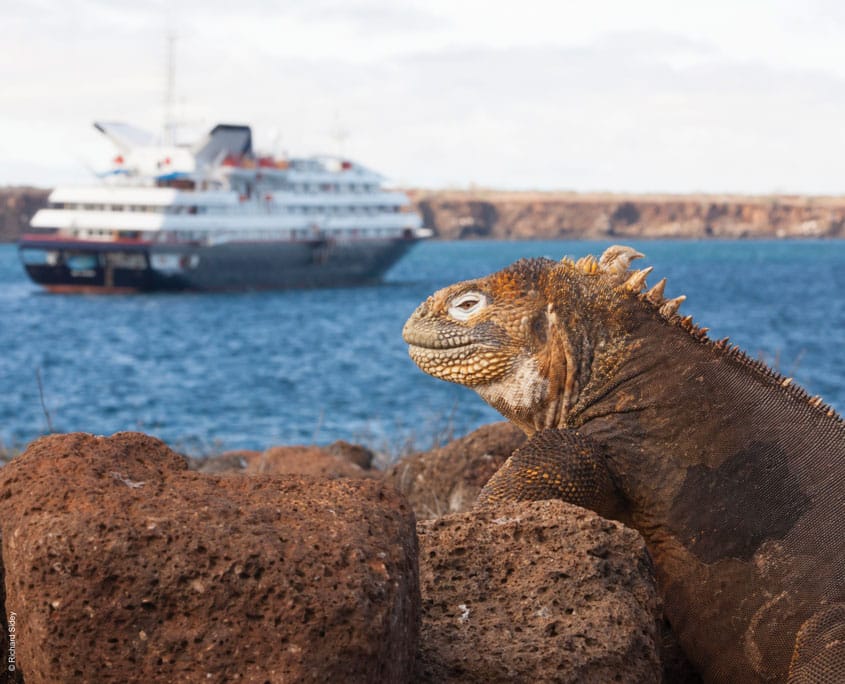
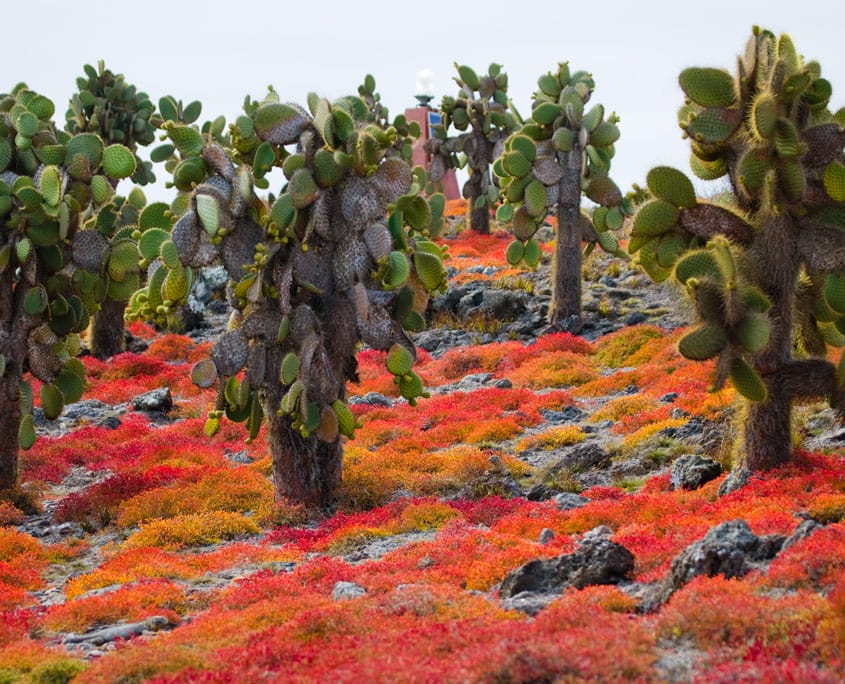
Mon, Feb 1: North Seymour Island welcomes visitors with a landing on black lava rock, leading to a flat plateau where sea lions nurse pups and frigatebirds nest among prickly pear cacti inhabited by land iguanas. Magnificent Frigatebirds display their bright red gular sacs, while Blue-footed Boobies perform courtship dances during certain seasons. The surrounding waters offer excellent snorkeling with colorful reef fish. The nearby lava fields in Sullivan Bay on Santiago Island remind visitors of the surface of the moon and showcase pahoehoe formations and vibrant Sally Lightfoot crabs along volcanic shores. (B,L,D)
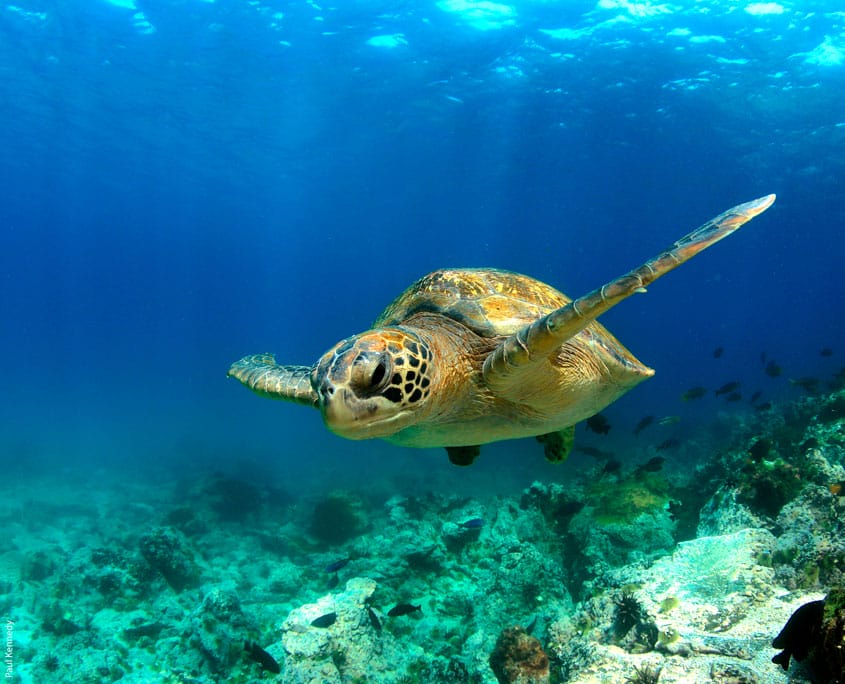
Tue, Feb 2: Fernandina Island and nearby Isabela showcase dramatic contrasts where mangrove-lined coves meet vast black lava fields, creating rich habitats for seabirds, shorebirds, and land birds alike. Snorkeling reveals marine iguanas feeding underwater, flightless cormorants in pursuit of prey, and red, white, and black mangroves form an intricate root system that acts as a vital nursery for many fish species, including young sharks and green sea turtles. Towered over by active volcanoes and cooled by nutrient-rich currents, this striking landscape is home to the largest marine iguanas, penguins, herons, reef sharks, and thriving coastal wildlife. (B,L,D)
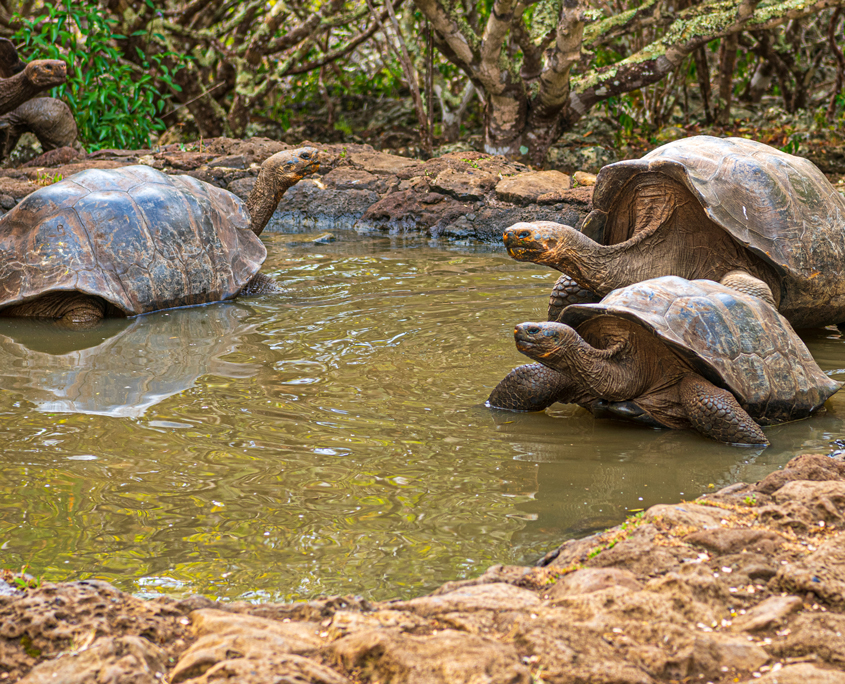
Wed, Feb 3: Rising to 864 meters above sea level, Santa Cruz Island features diverse microclimates that support lush highlands very different from the coastal zones below. The island is home to Puerto Ayora and the Charles Darwin Research Station, including the Fausto Llerena Breeding Center, where visitors learn about conservation efforts for giant tortoises and land iguanas. Time in town offers a relaxed atmosphere with local art galleries, cafés, and a glimpse of everyday island life. (B,L,D)
Thu, Feb 4: One of the oldest islands in the Galápagos, Española is renowned for the white-sand beaches and turquoise waters of Gardner Bay, where endemic marine iguanas, Hood mockingbirds, sea lions, and occasional Galápagos hawks gather along the shore. At Punta Suárez, dramatic cliffs create ideal conditions for seabirds such as Nazca and blue-footed boobies, swallow-tailed gulls, and the iconic waved albatross, which nests here seasonally. (B,L,D)
Fri, Feb 5: Just off the coast of San Cristóbal, Isla Lobos is a small wildlife sanctuary famed for its lively sea lions that lounge, play, and nap along white-sand beaches. Keep your eyes pealed to spot blue-footed boobies, frigatebirds with vivid red displays, fur seals, and shorebirds, both along the trails and near a peaceful coastal lagoon. Snorkeling in the clear waters reveals marine life such as turtles, rays, and colorful fish, making this tiny island a rich and memorable natural haven. (B,L,D)
Sat, Feb 6: This morning, disembark in San Cristóbal and take in the sweeping volcanic landscapes, turquoise waters, and abundant wildlife, which offers a striking blend of raw natural beauty and quiet island charm in the heart of the Galápagos. Return by chartered flight to Quito and board your overnight flight to Indianapolis. (B)
Sun, Feb 7: Welcome home!